  • ENG
  • FRA
  • LAT
  • ITA
  • UKR
  • GER
  • RUS
  • ESP
  • Home
  • About me
  • Gardener
    • Conifers pruning & hedge trimming
    • The Restoration of the Park of Château de Villette
    • The Restoration of the Villa Astor Garden
    • Flowers & decorative plants
    • Garden & park regular maintenance
    • Lawns and forest park management
    • Aeration & verticulation
    • Garden & park rehabilitation
    • Plant treatment
    • Technical works in garden
    • Arborism
    • Tree cutting services
    • Shaping stubs & roots
    • Stump removal services
    • Big tree planting
    • List of visited gardens
    • Garden inspection services & pre-sale garden care
    • Garden events management
    • Cemetery gardener
  • Property manager
    • Property management
    • Personal property manager
    • Trust management
    • Butler
    • House sitting
    • Transport management
    • Personal tasks
    • Event Assistance – Setup and Transportation
  • Gardens of Europe
  • Work photos
  • Green Garden
  • Insta
  • FB
  • Contacts

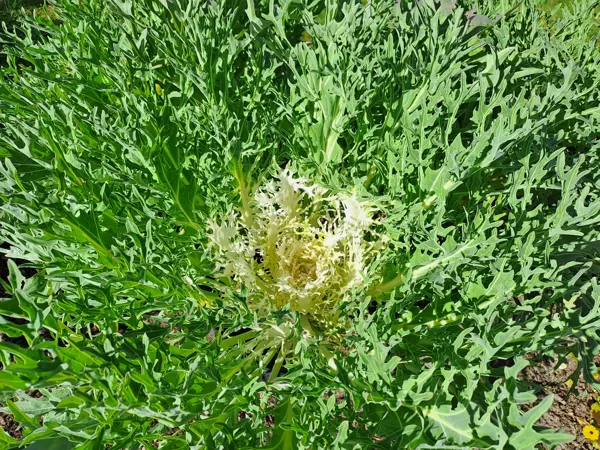
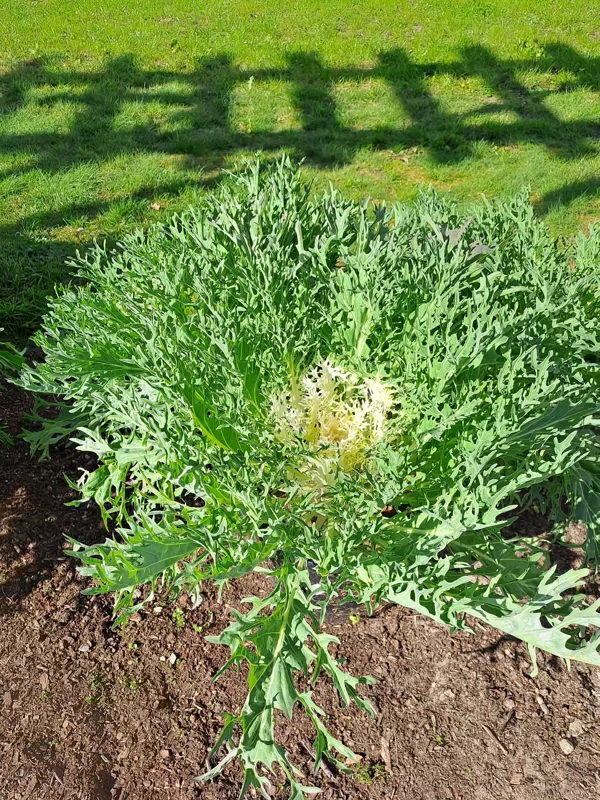
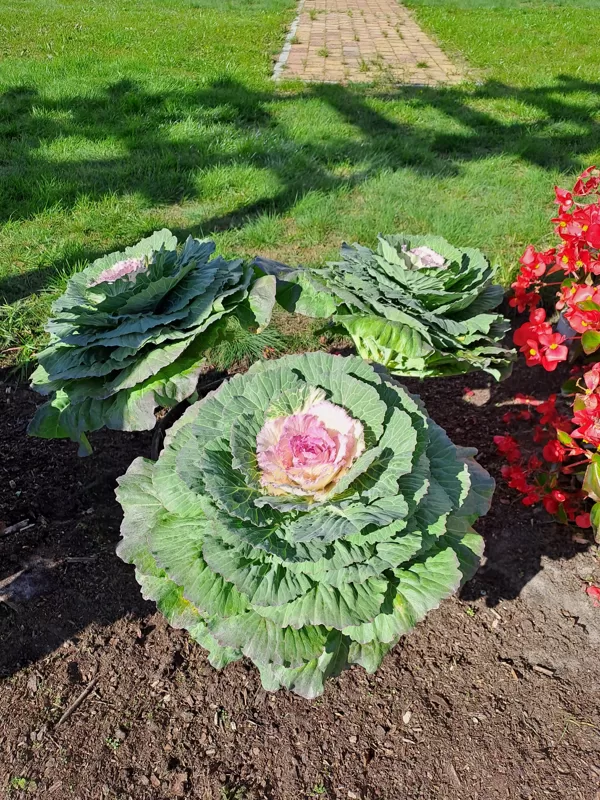
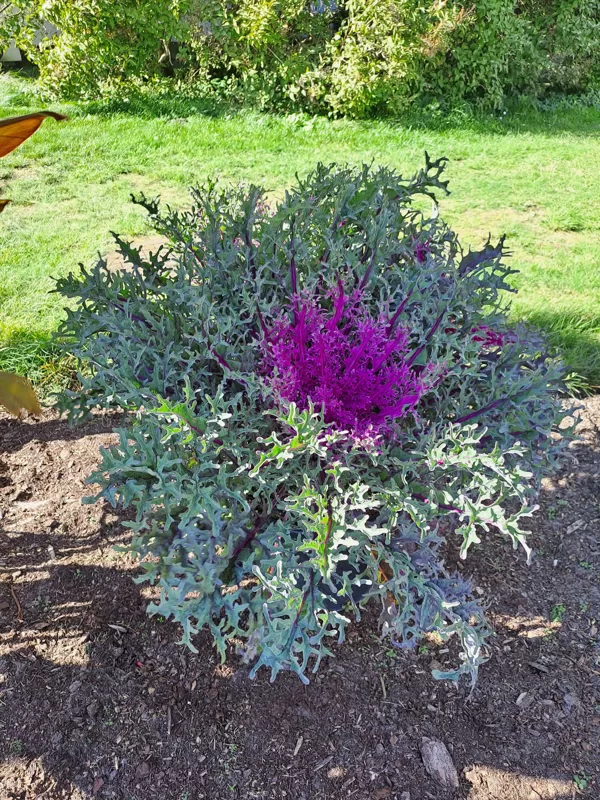
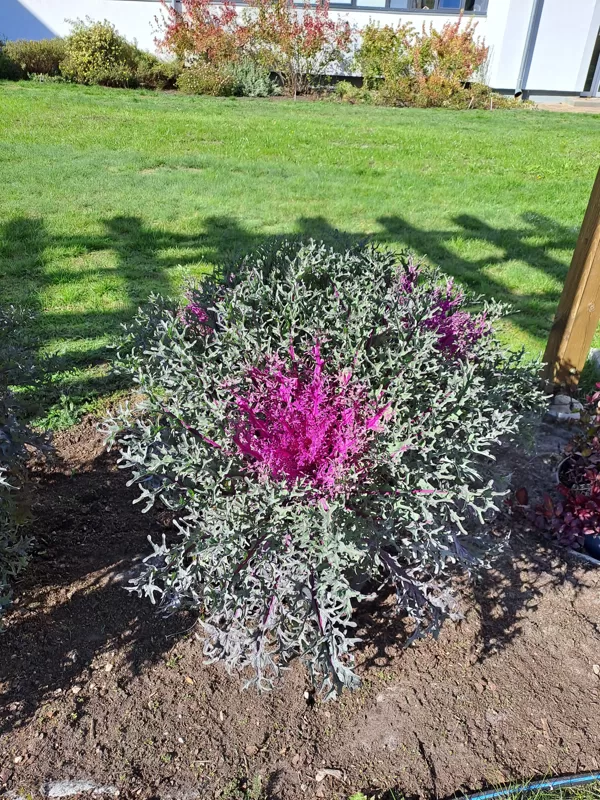
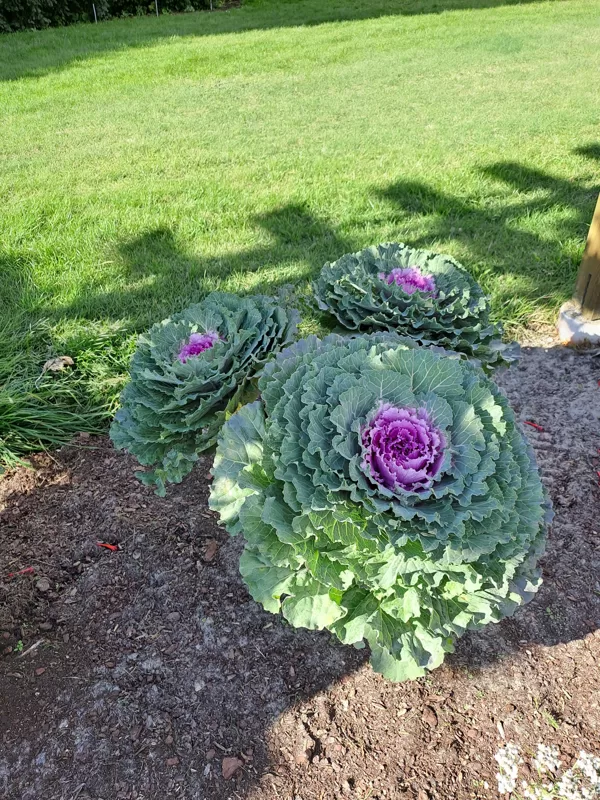
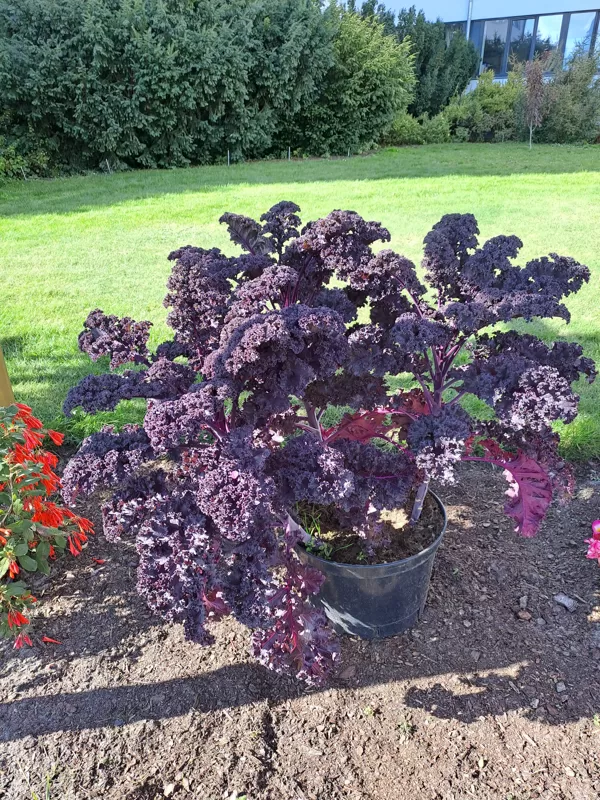
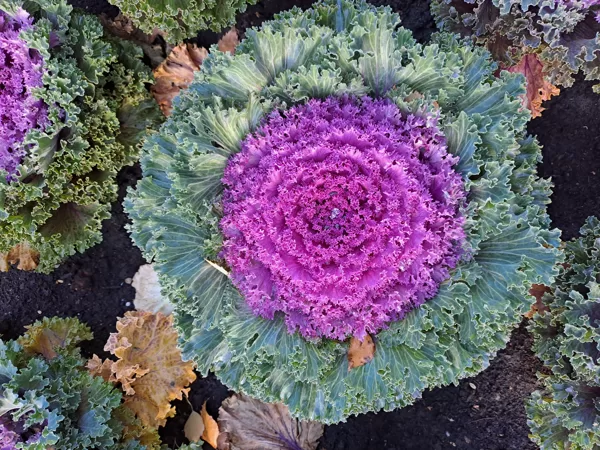
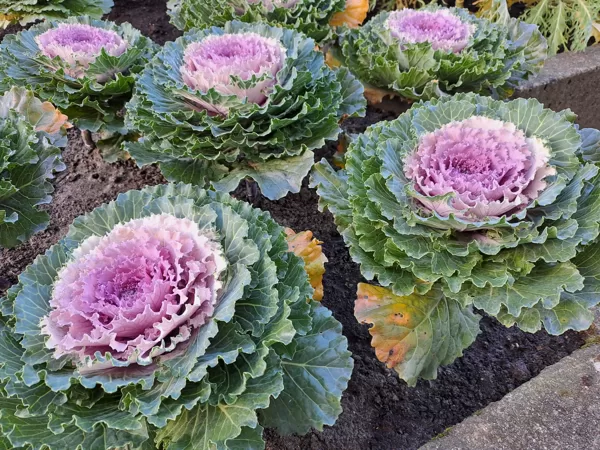
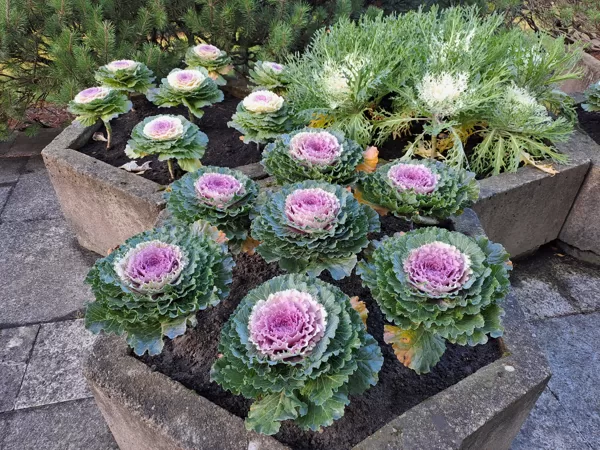
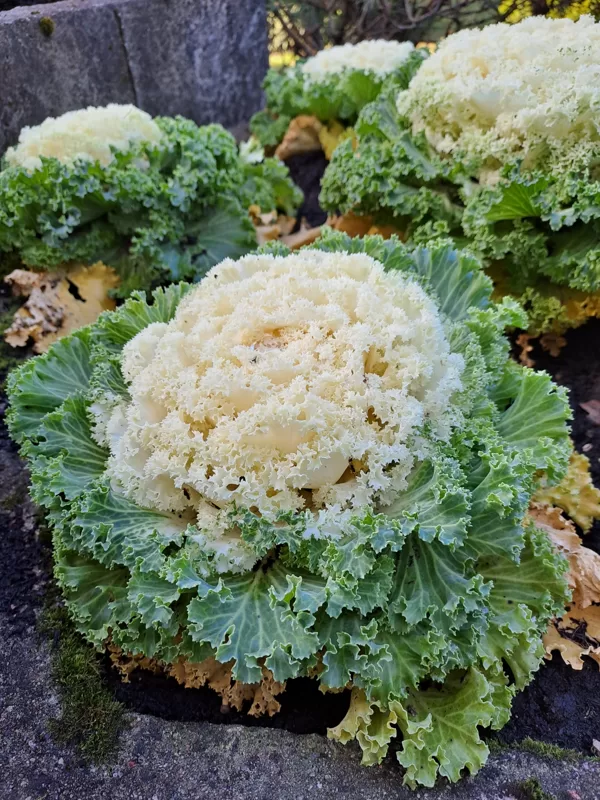
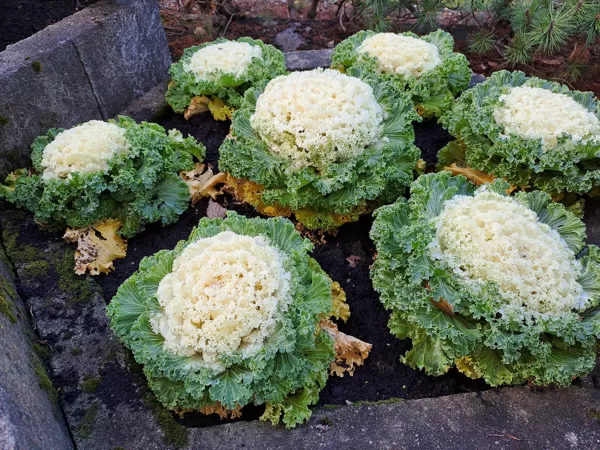
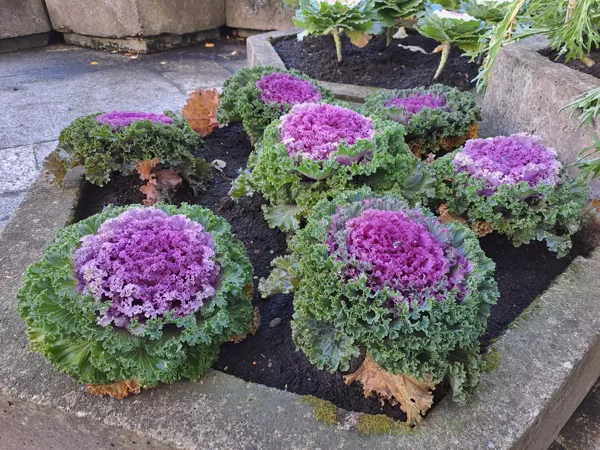
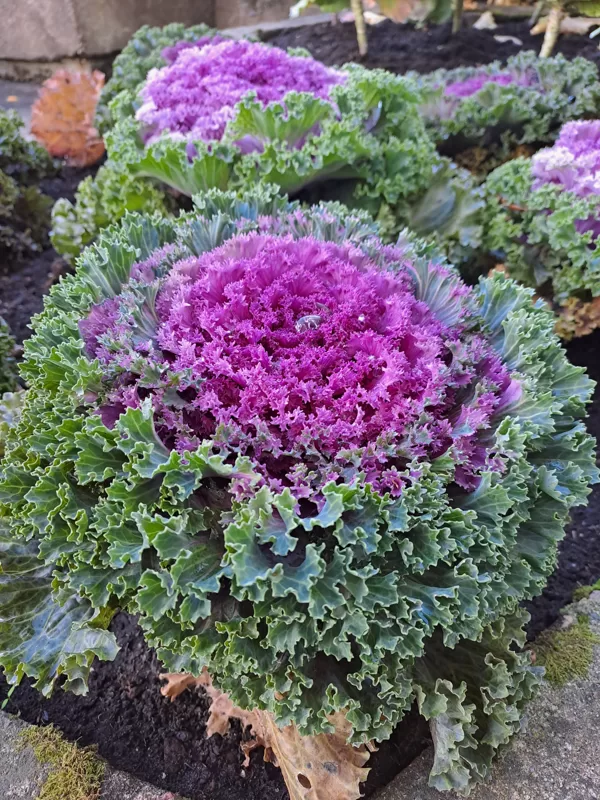
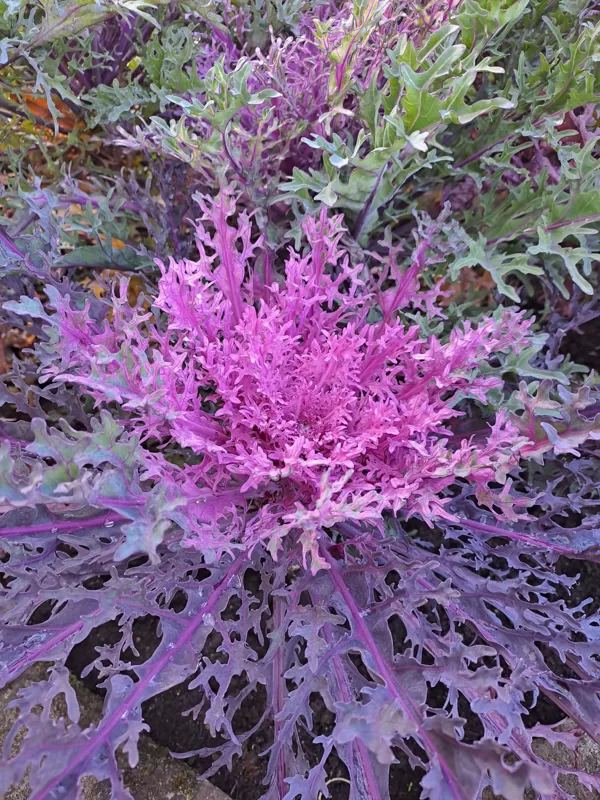
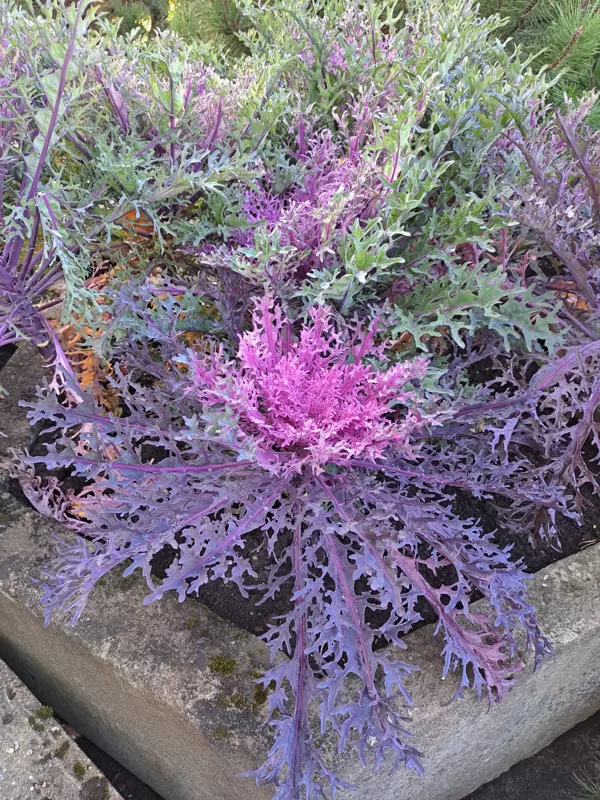
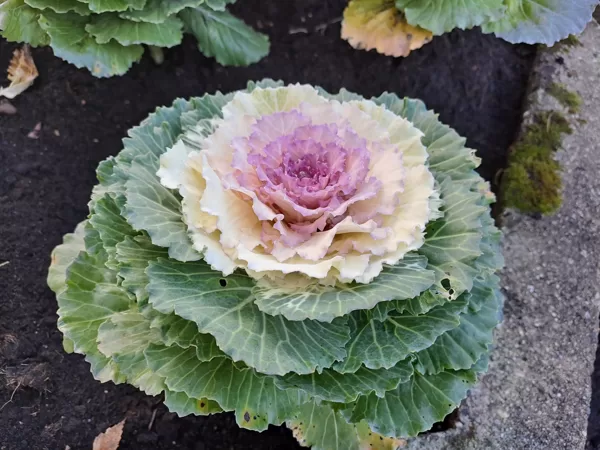
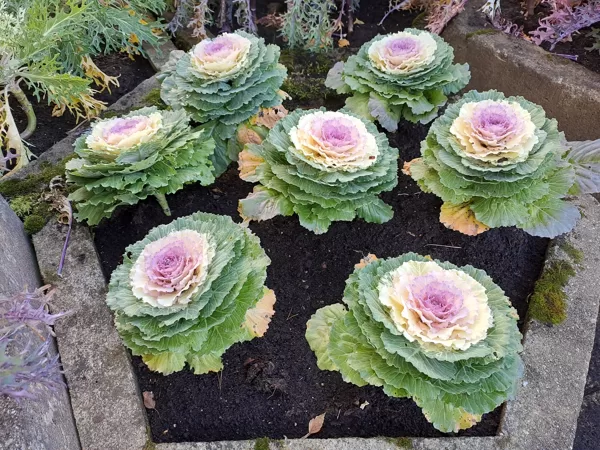
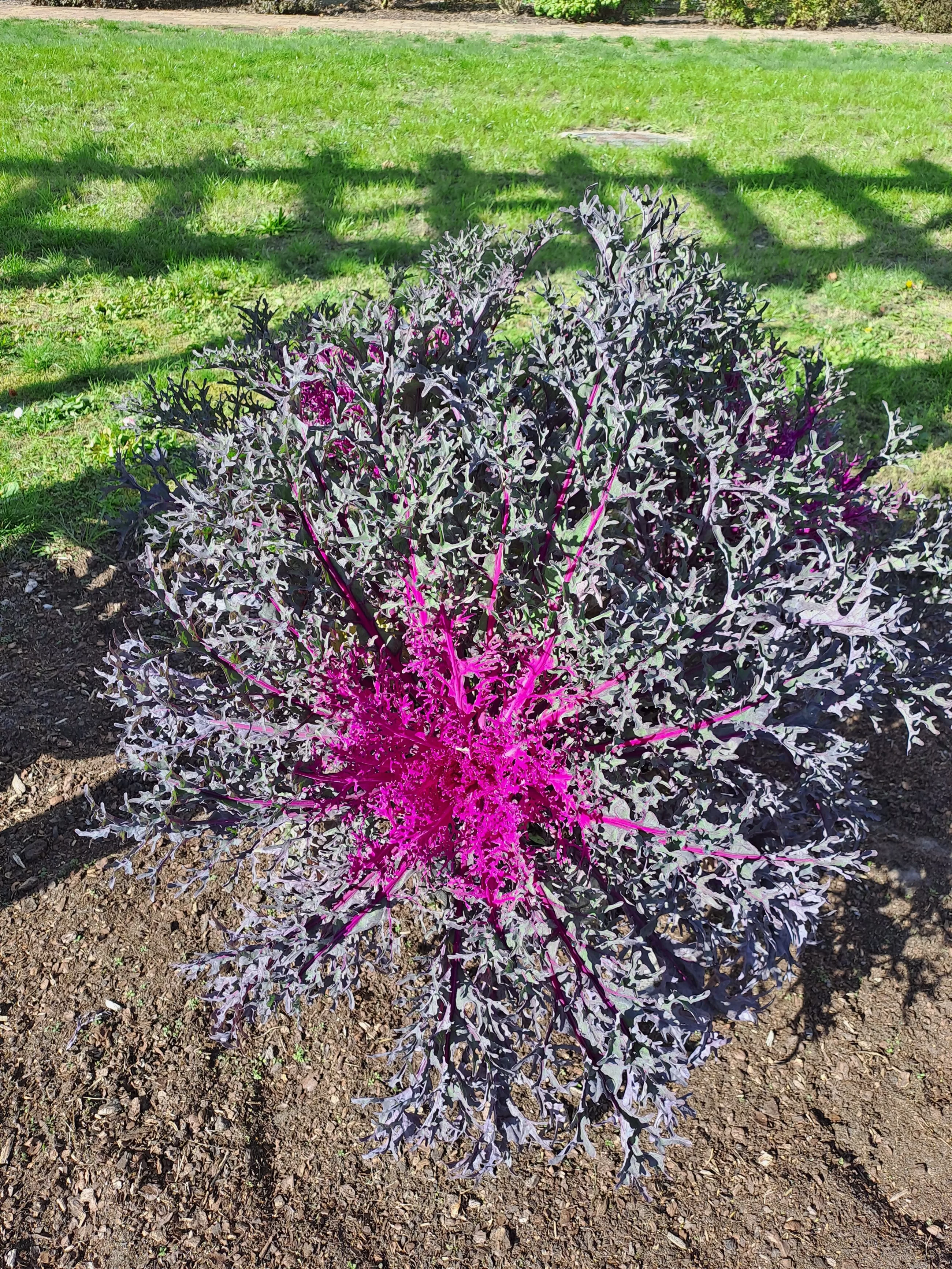
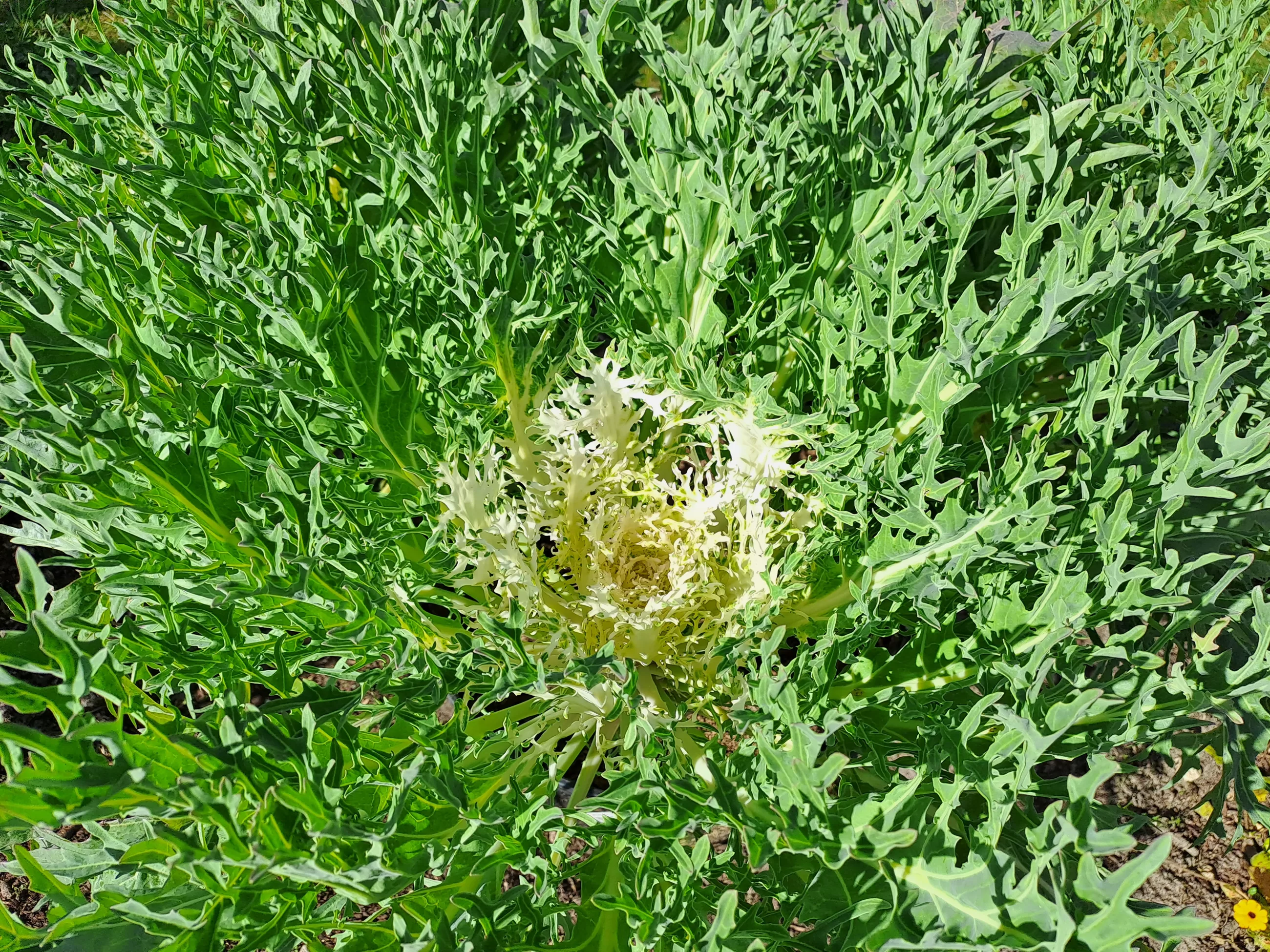
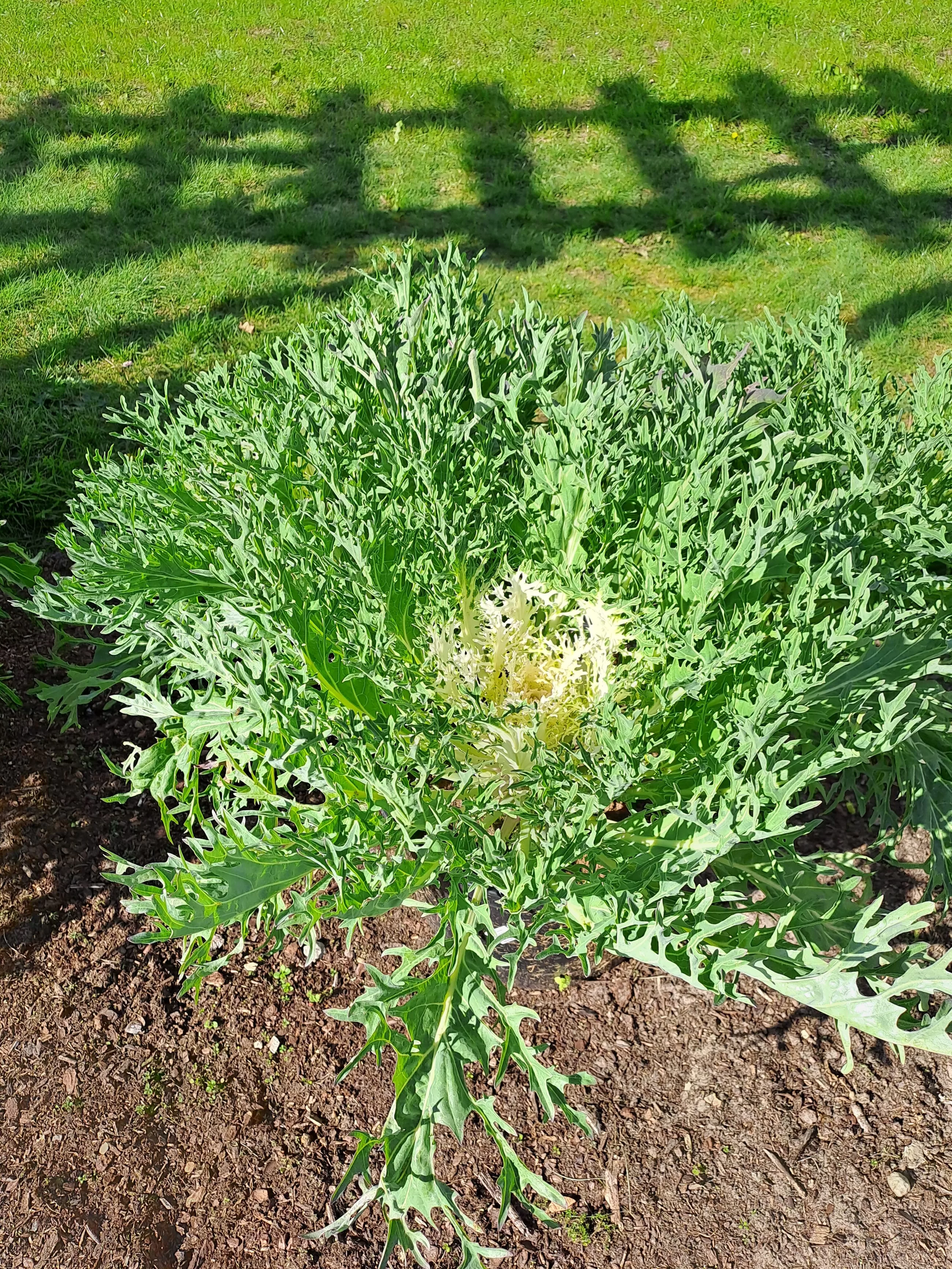
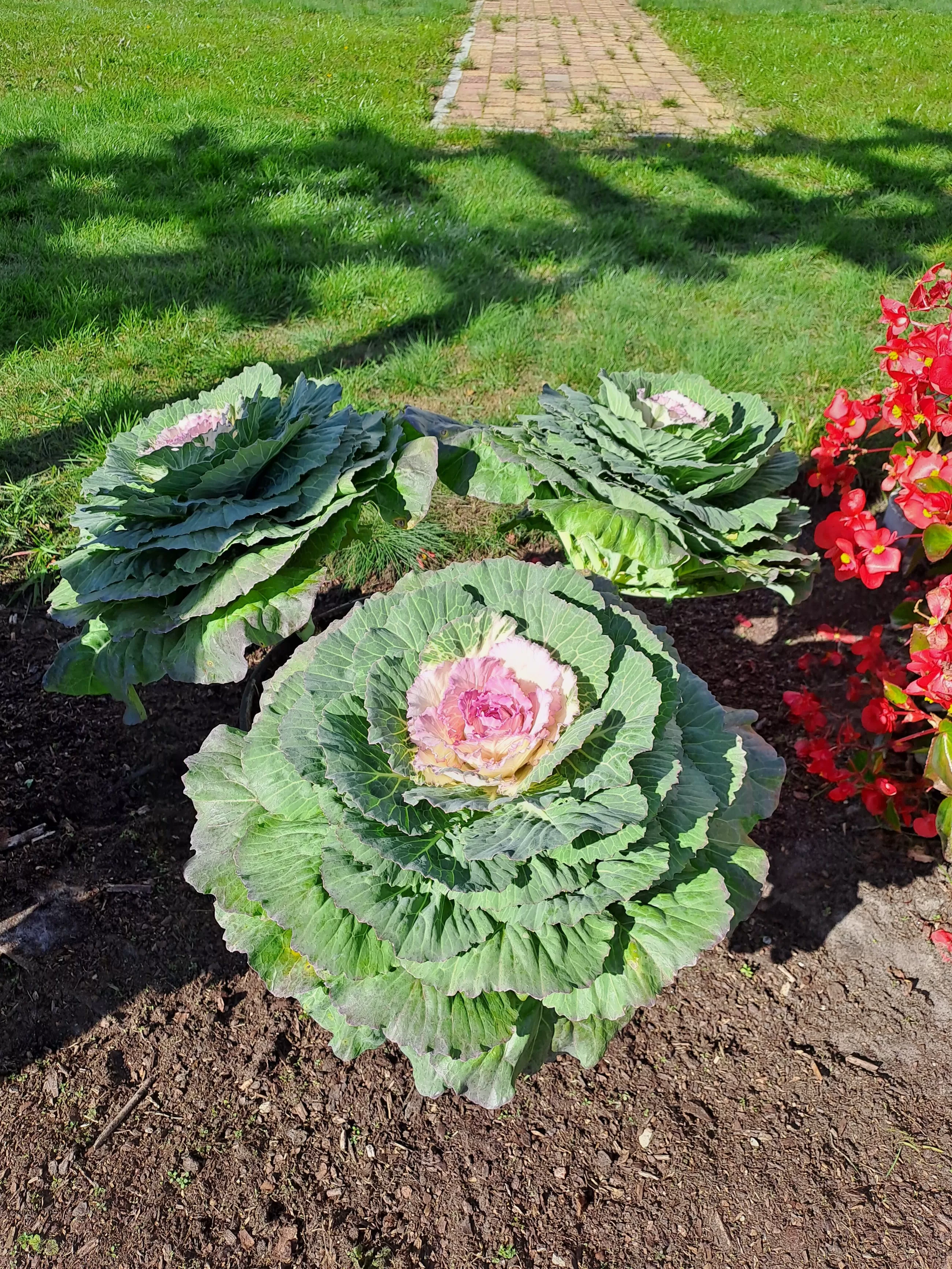
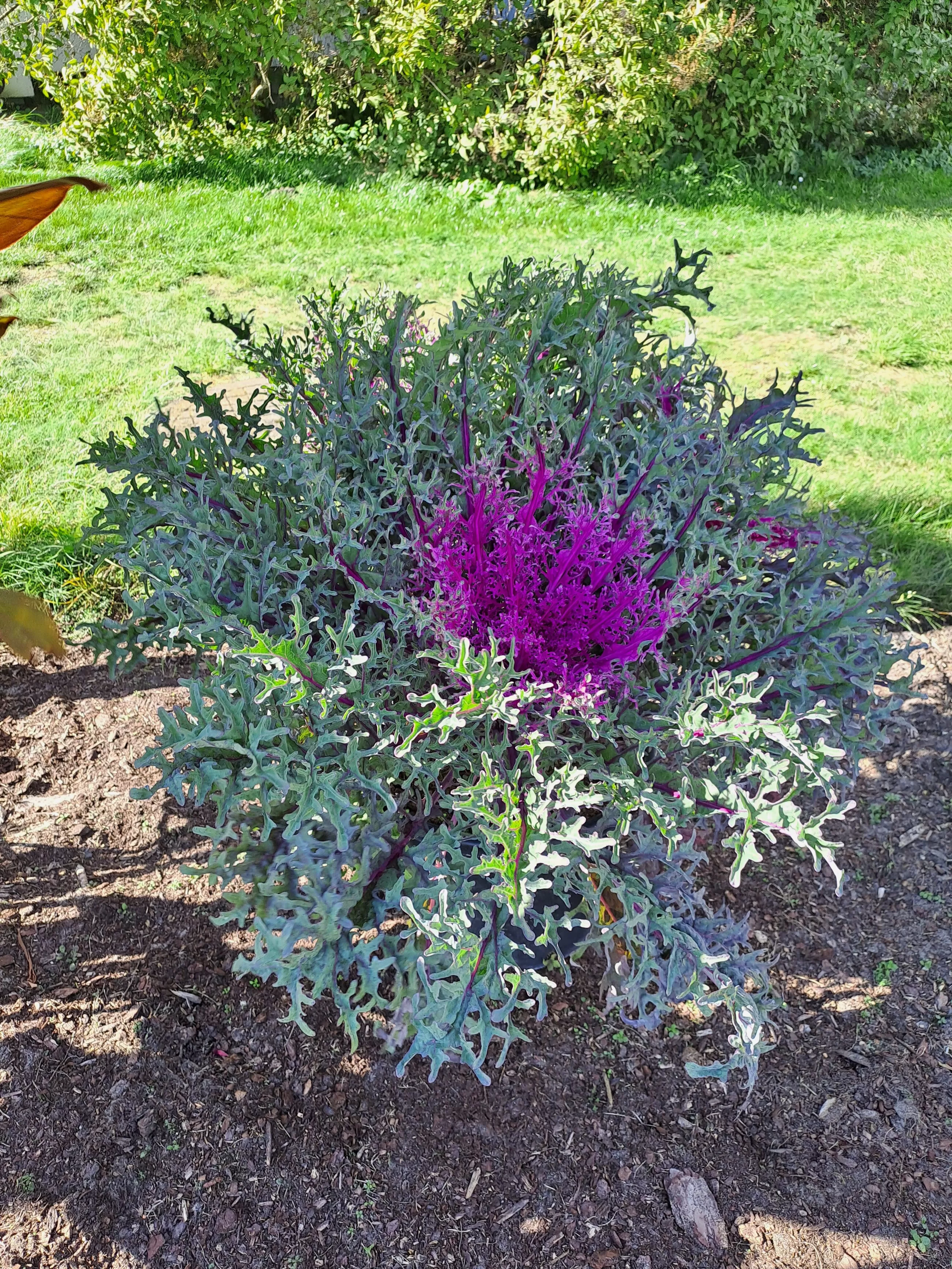
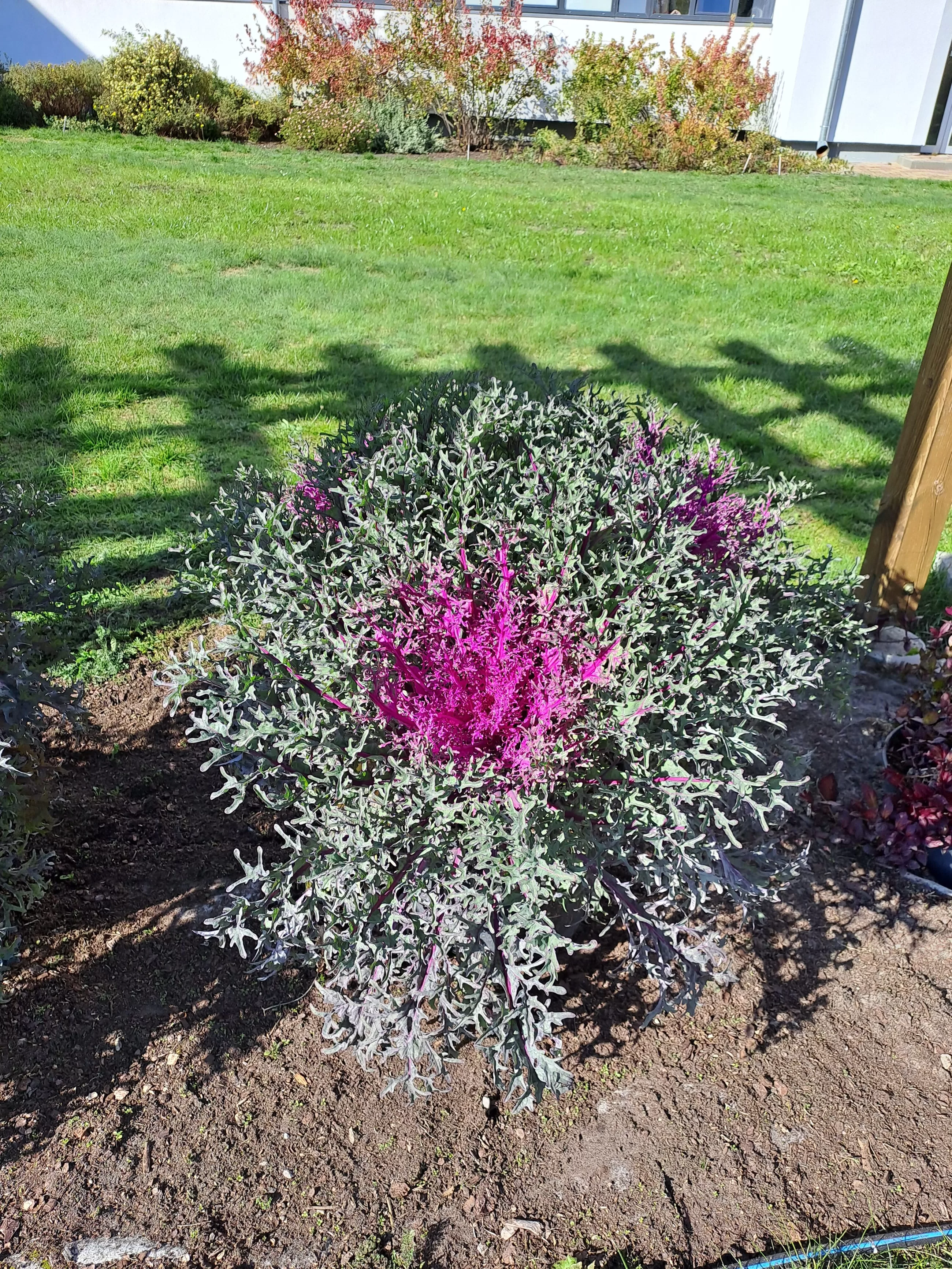
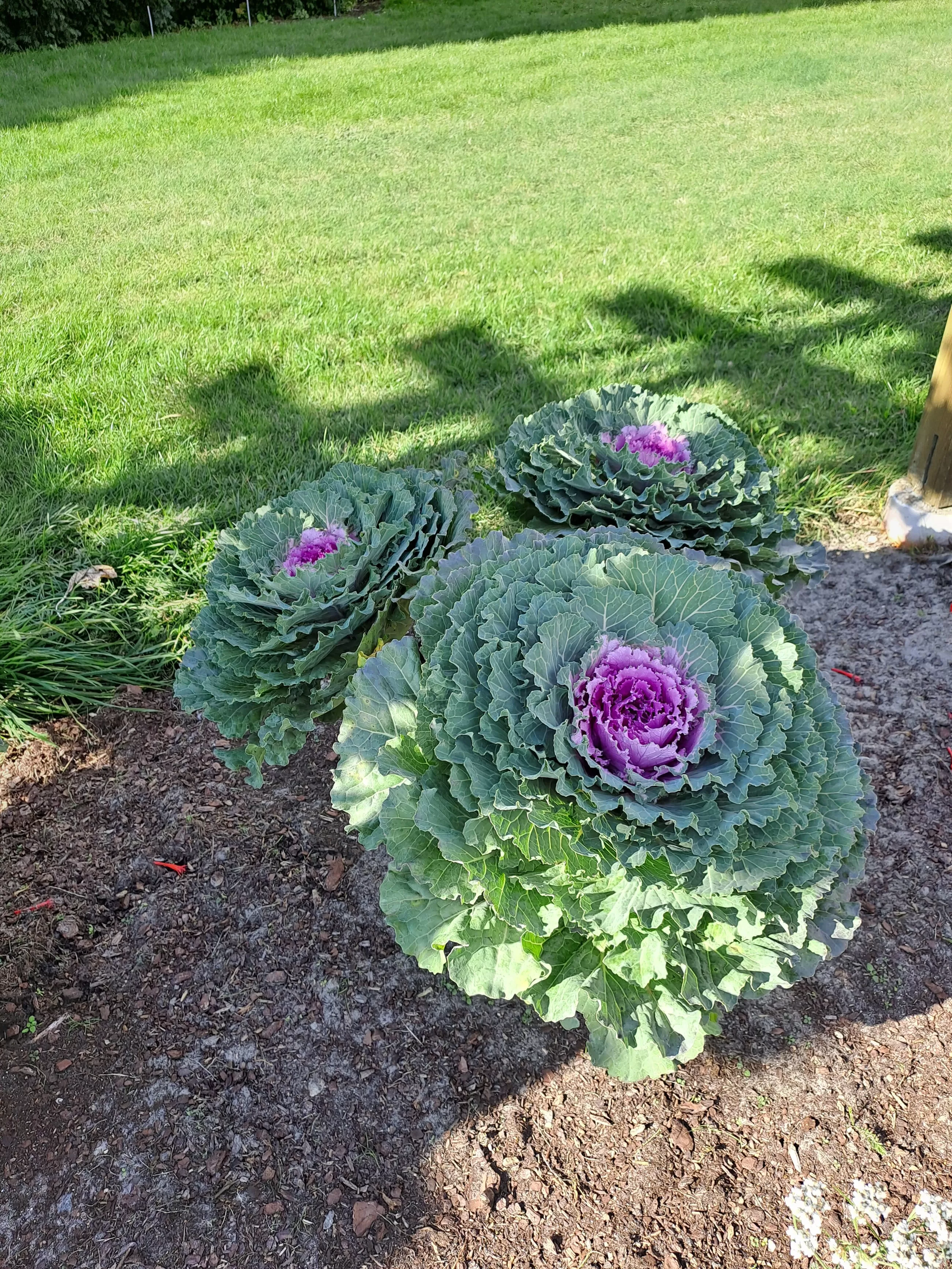
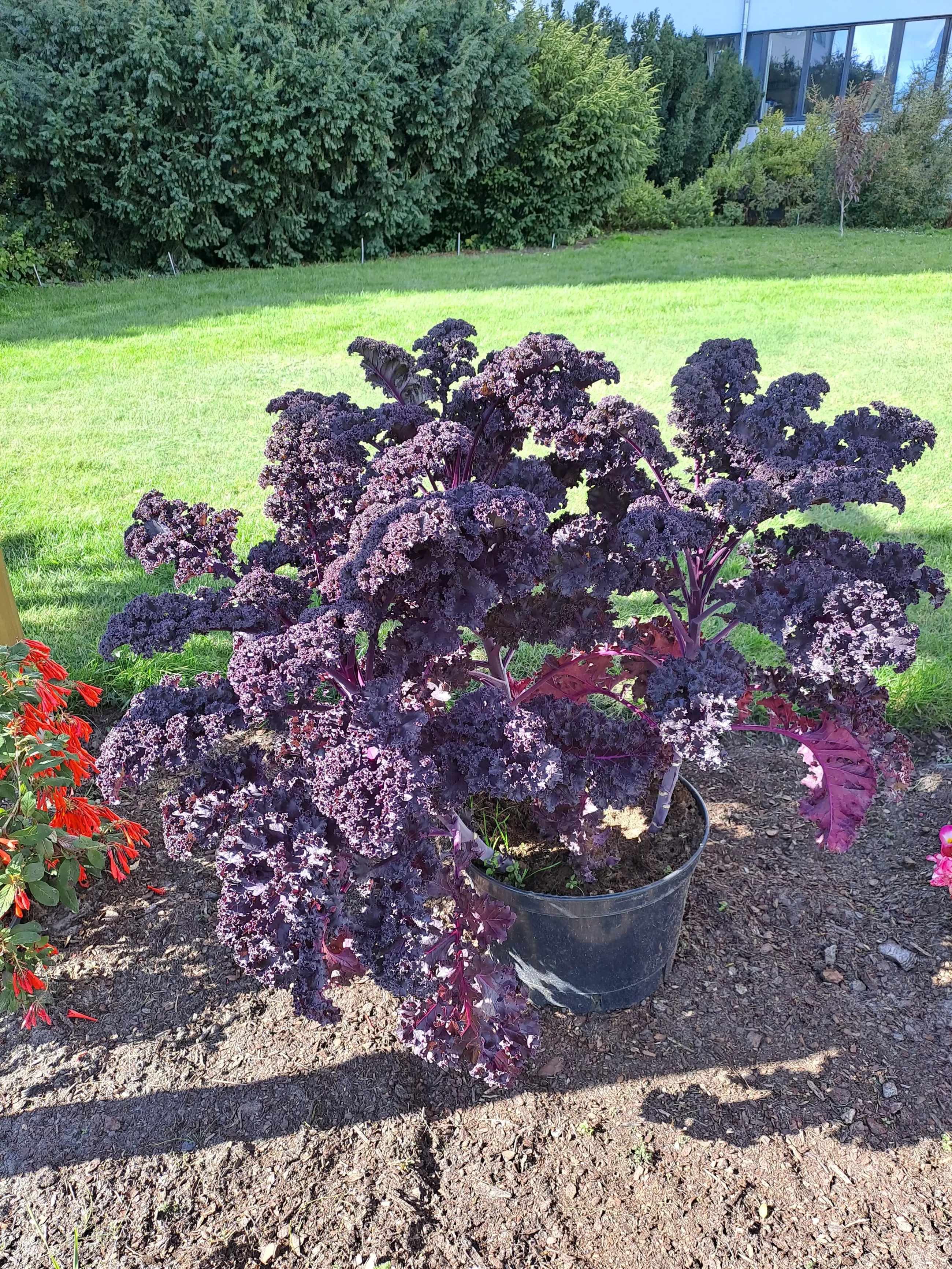
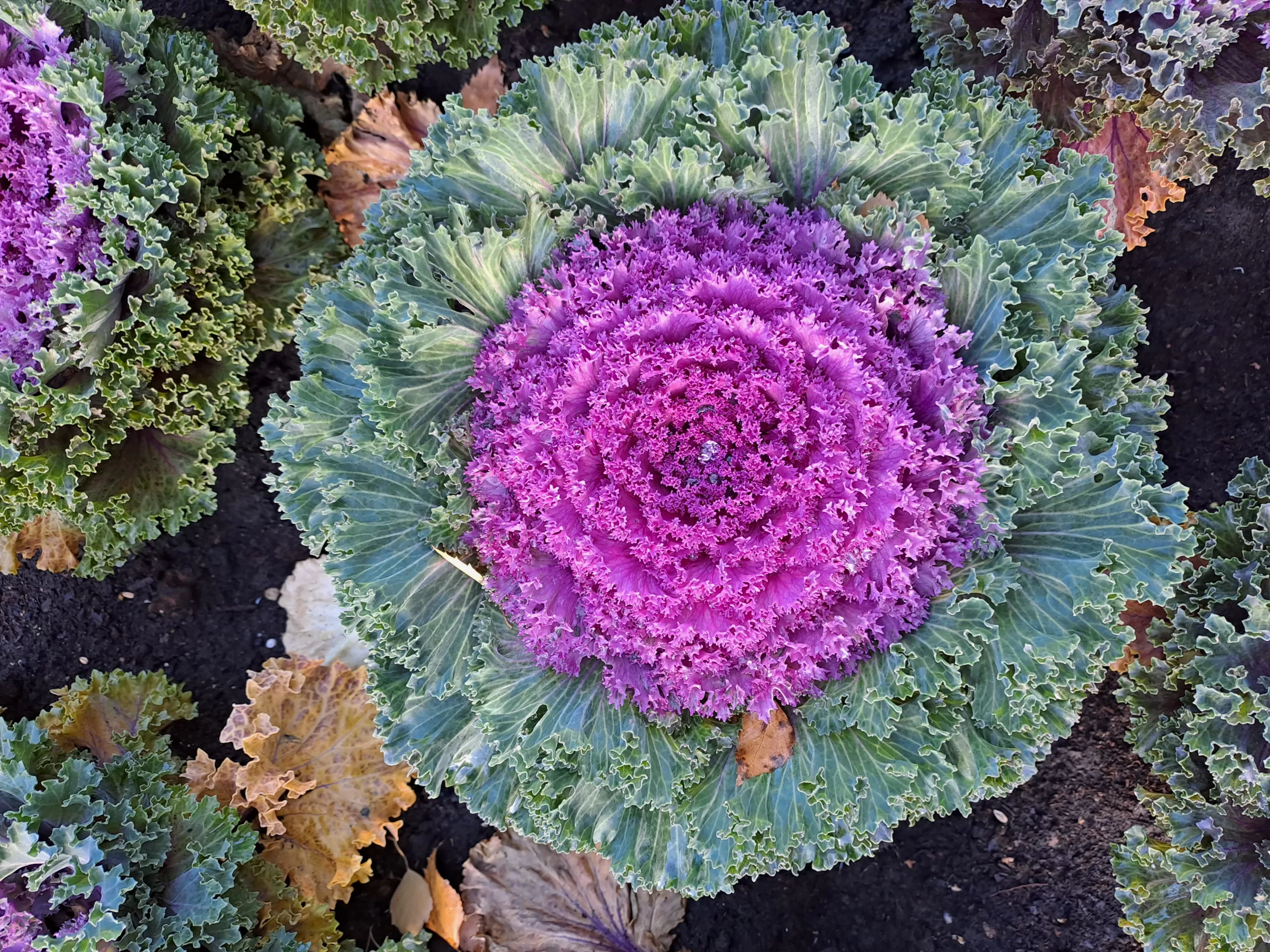
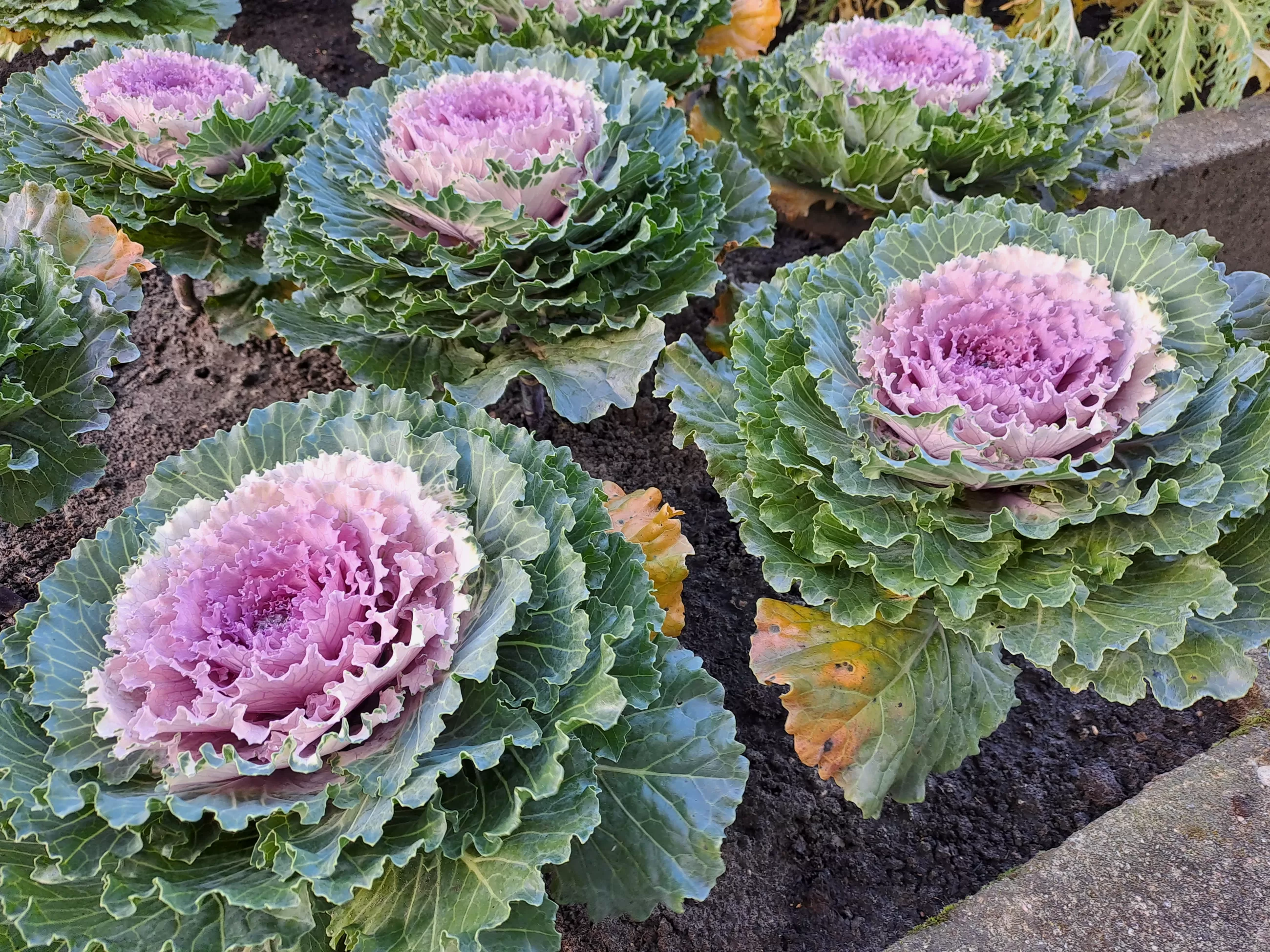
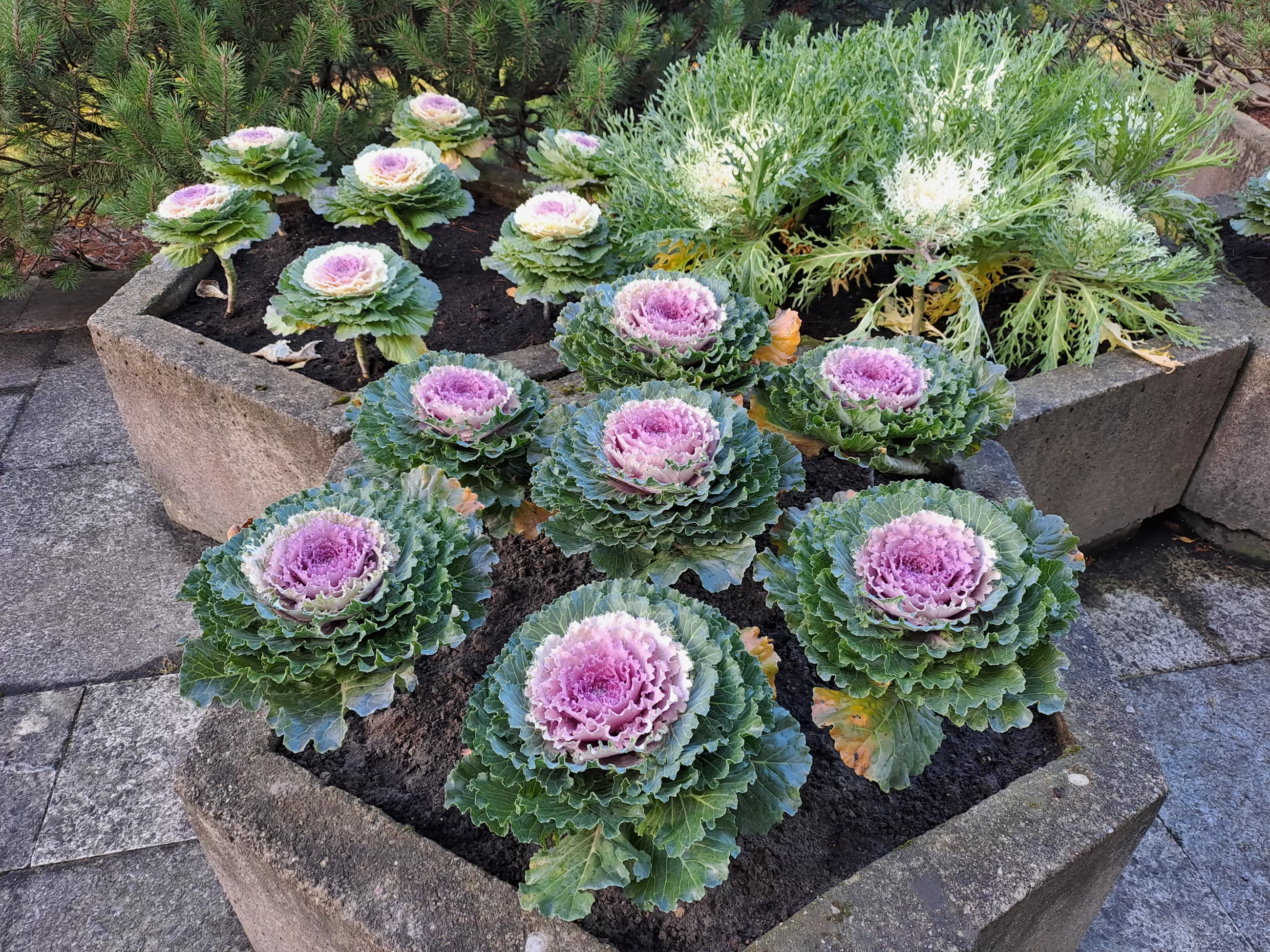
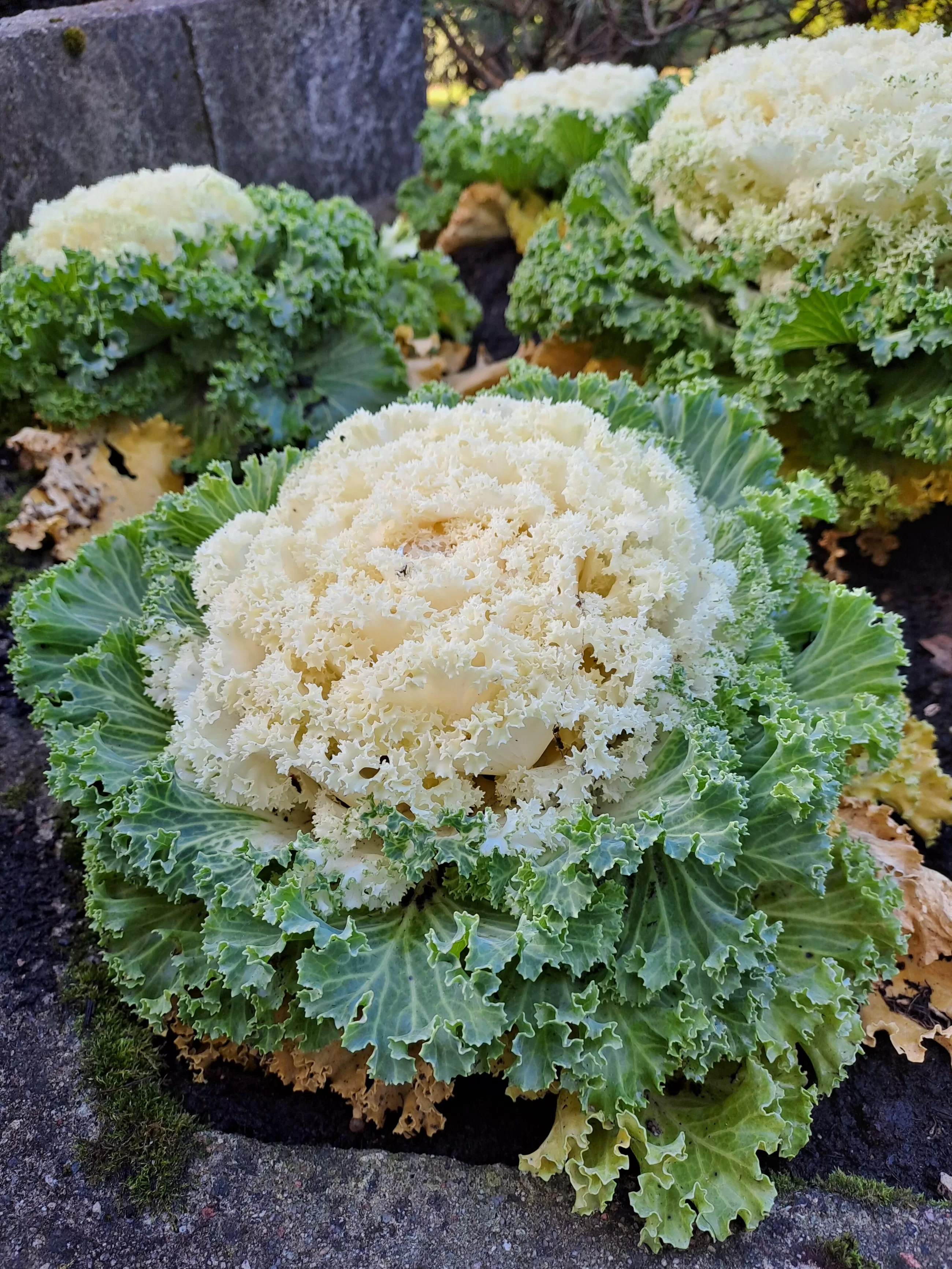
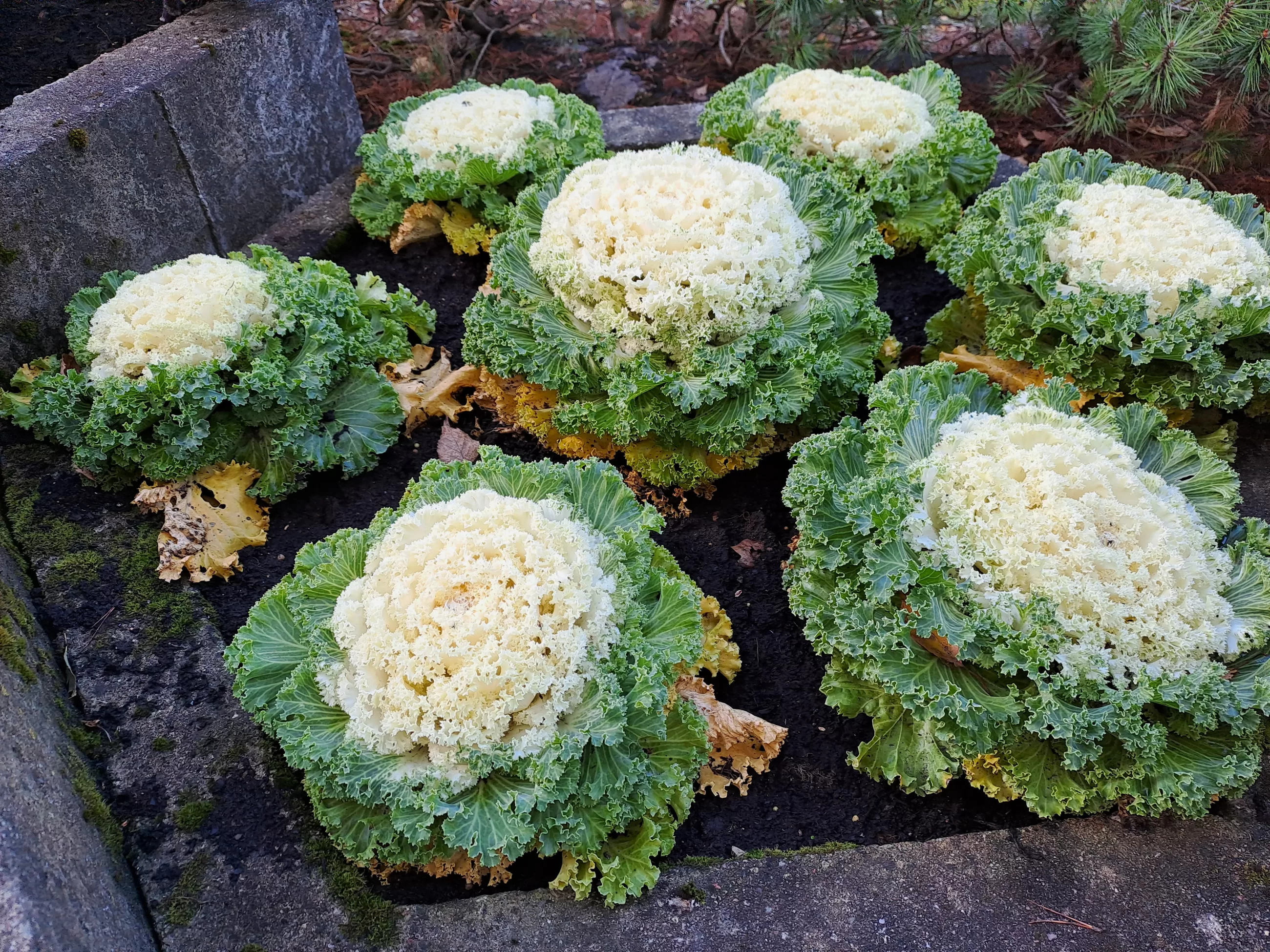
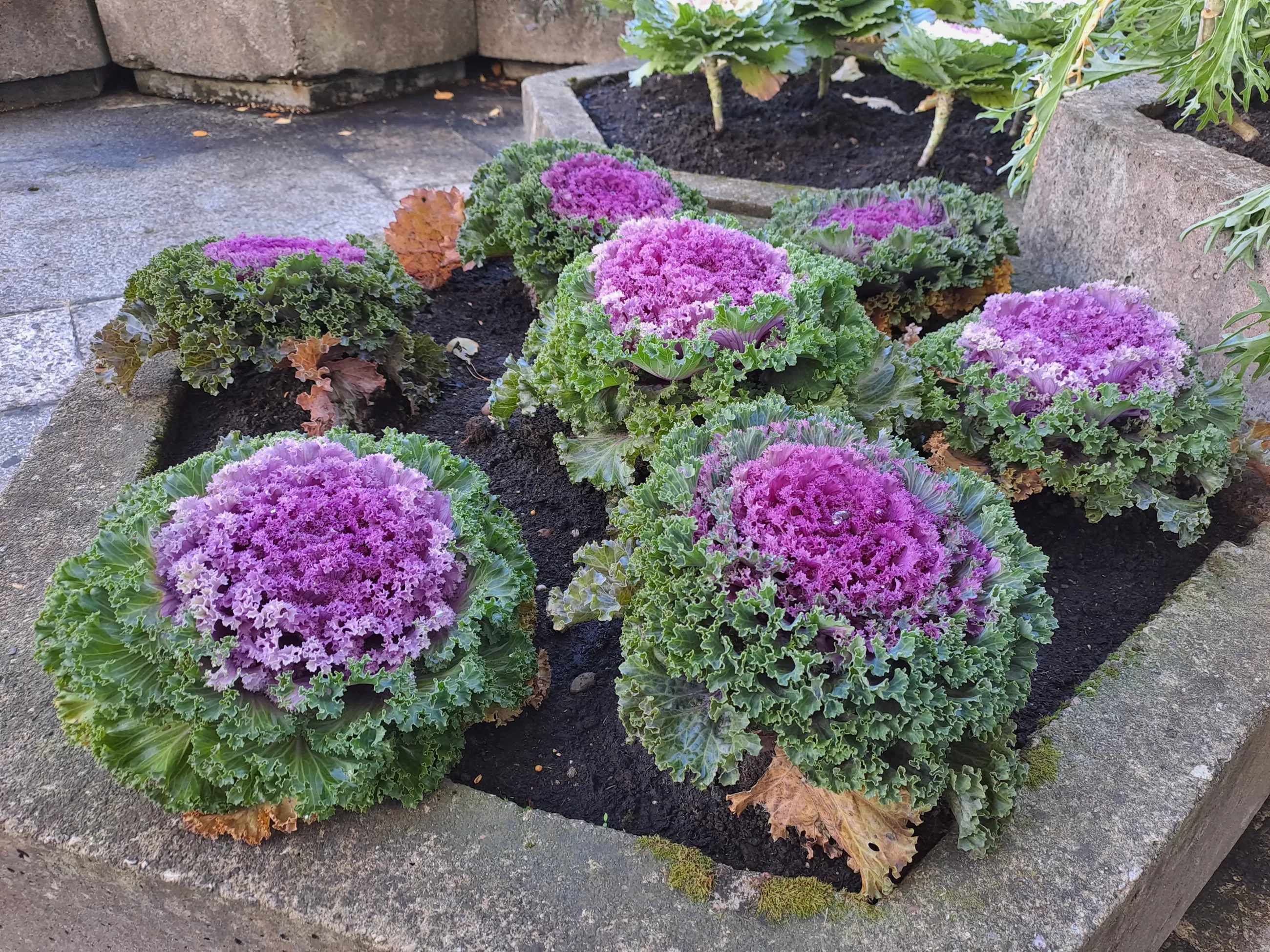
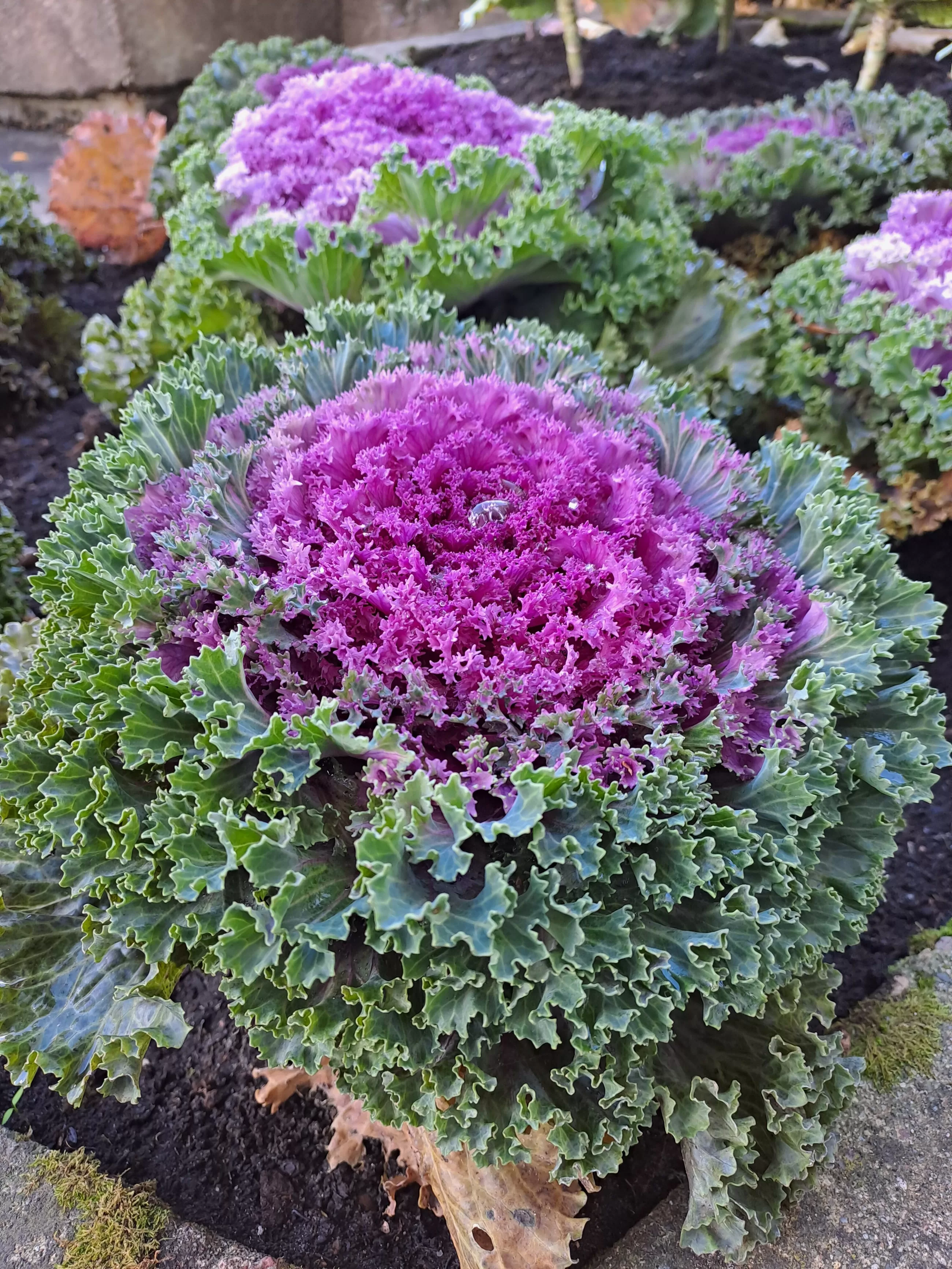
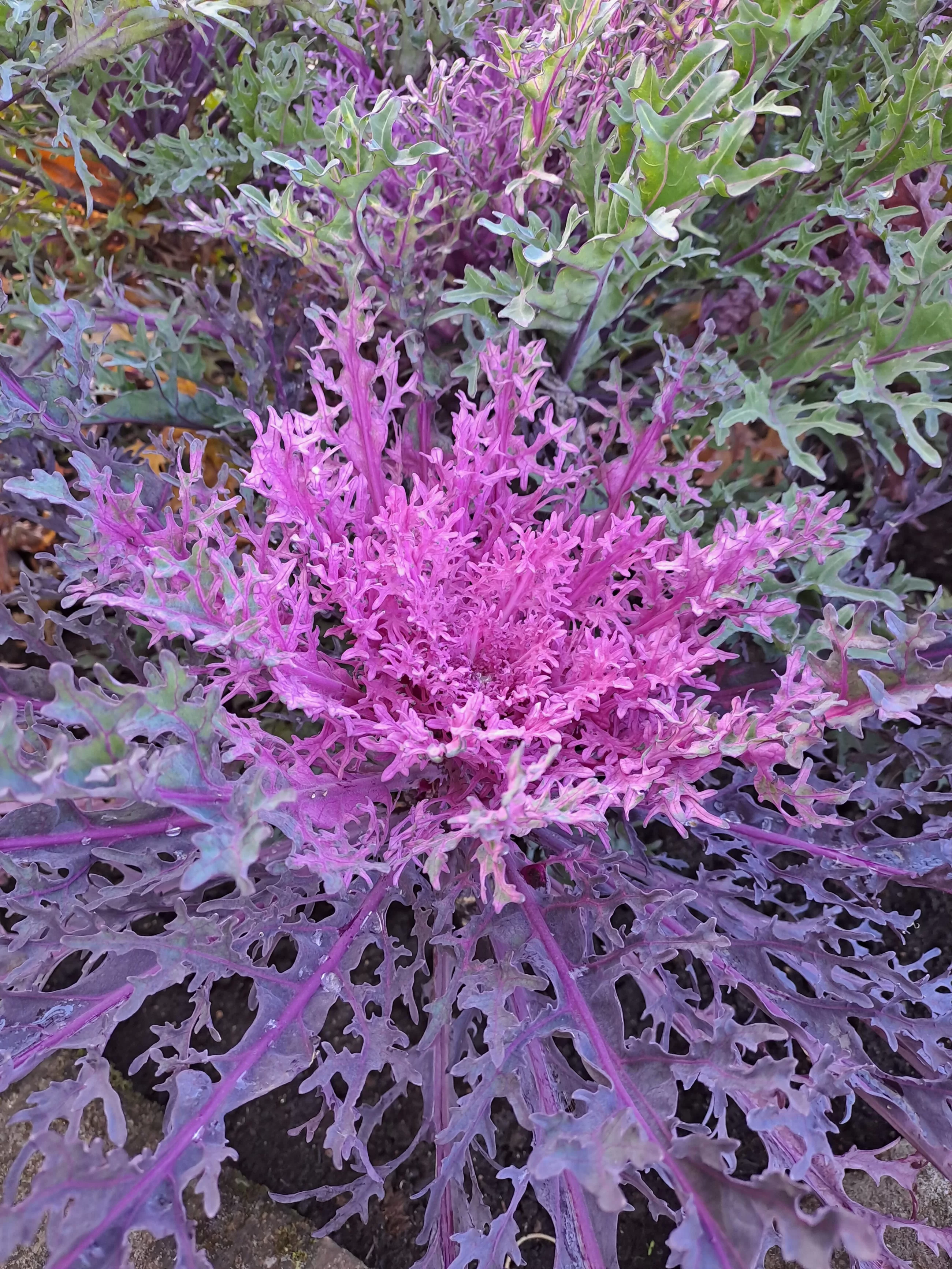
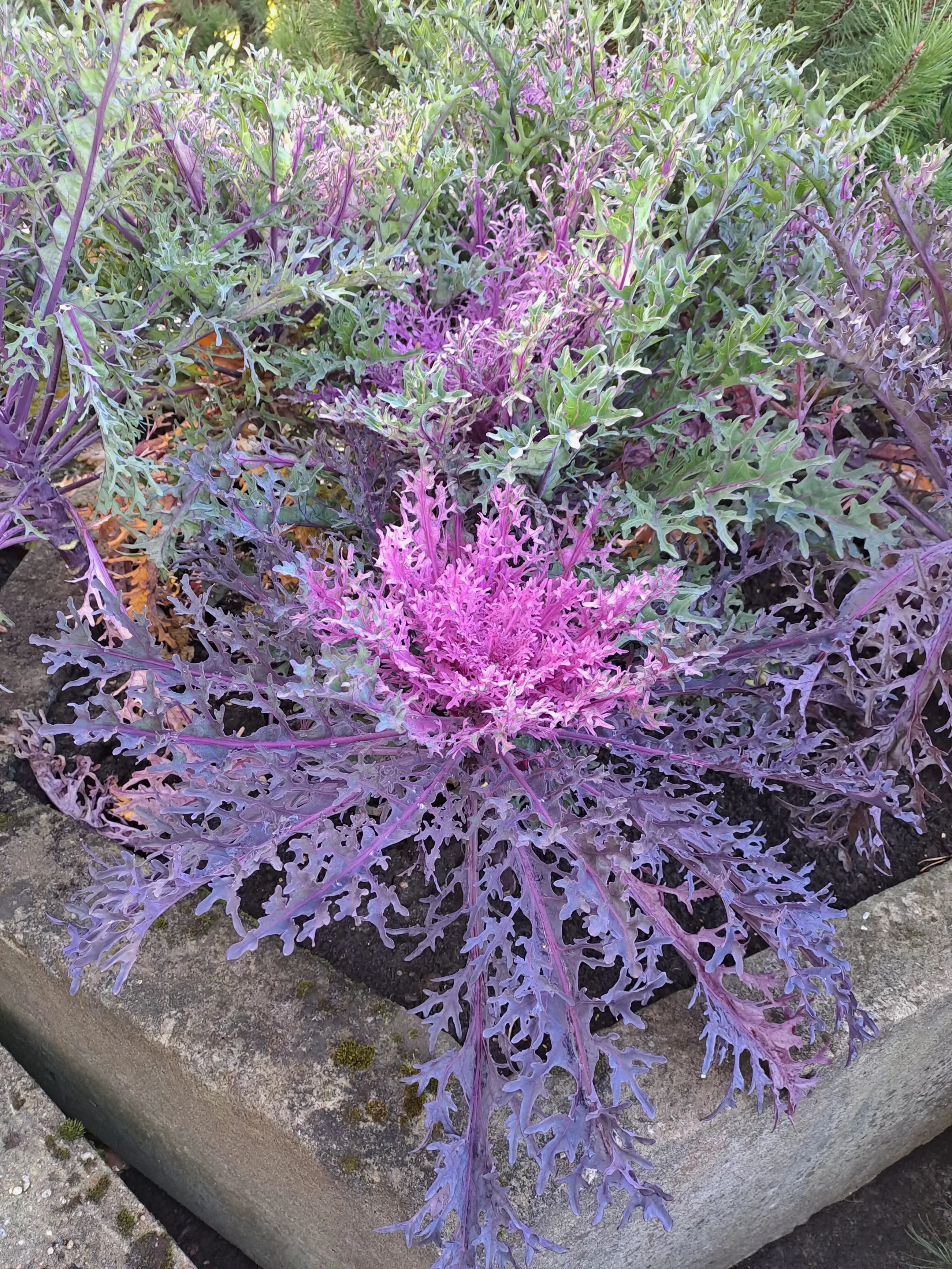
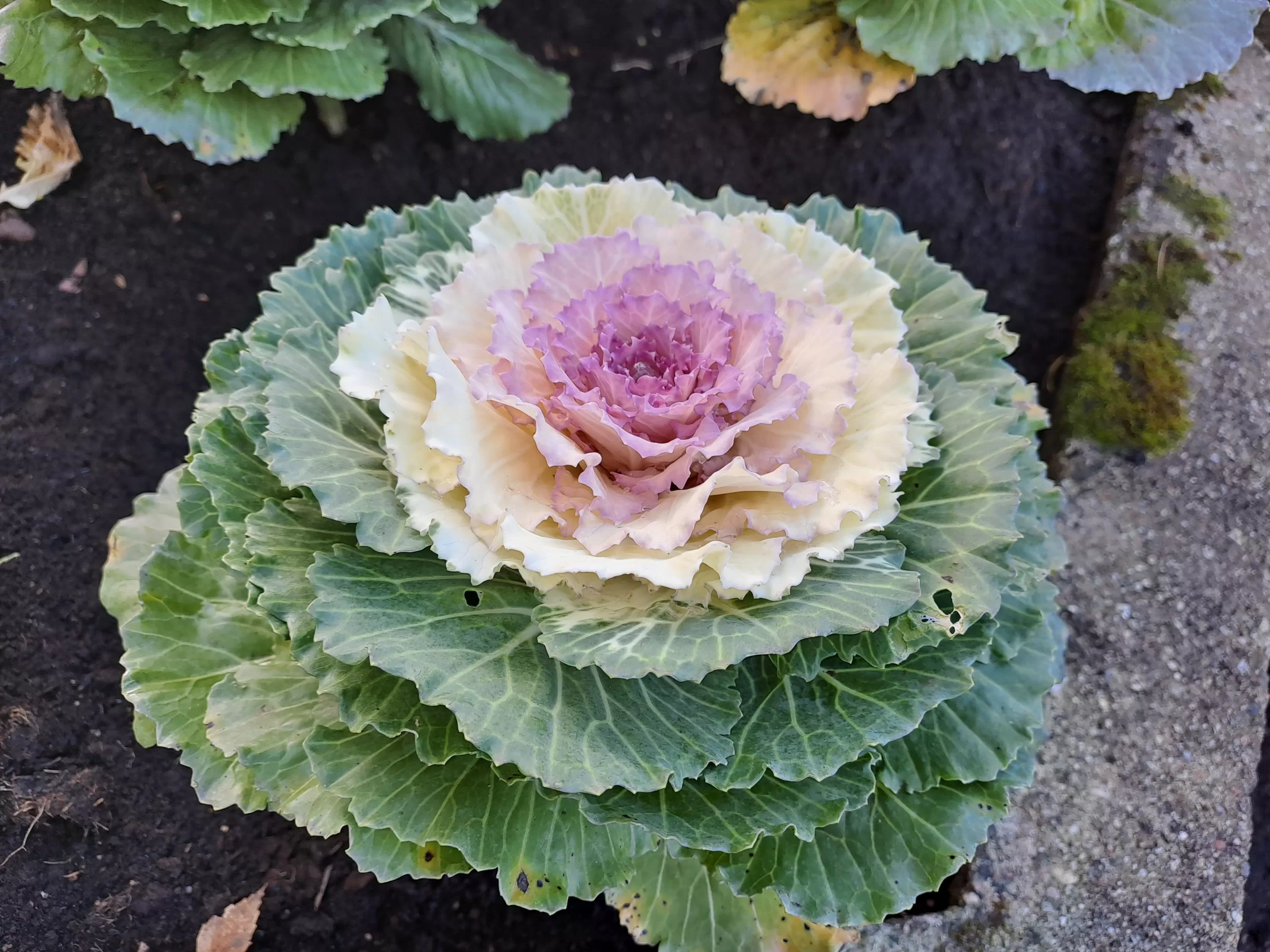
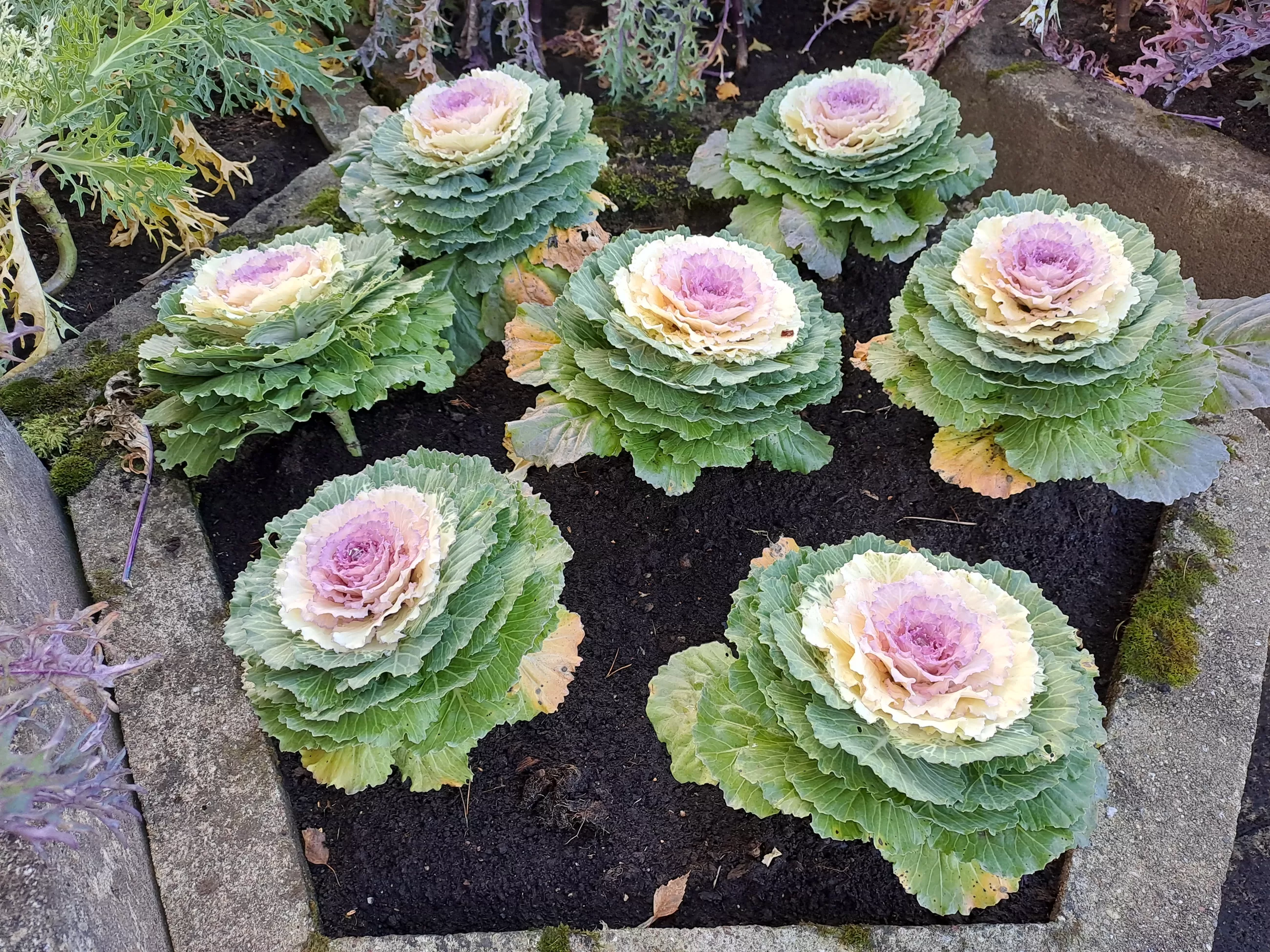
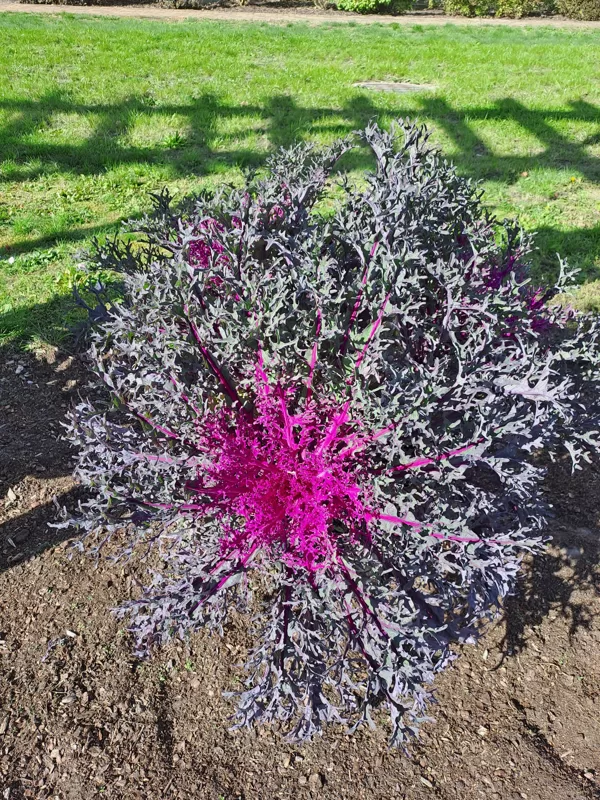
Brassica olerace, Wild cabbage (eng.)

Brassica oleracea is a plant species that includes many common cultivars, such as cabbage, broccoli, cauliflower, kale, Brussels sprouts, collard greens, Savoy cabbage, kohlrabi, and gai lan.

In its uncultivated form, it is called wild cabbage and is native to coastal southern and western Europe. A hardy plant in its uncultivated form, its high tolerance for salt and lime, and its intolerance of competition from other plants, typically restrict its natural occurrence to limestone sea cliffs, like the chalk cliffs on both sides of the English Channel, and the windswept coast on the western side of the Isle of Wight. Genetic analysis of nine wild populations on the French Atlantic coast indicated their common feral origin, deriving from domesticated plants escaped from fields and gardens.

Wild B. oleracea is a tall biennial plant that forms a stout rosette of large leaves in the first year. The leaves are fleshier and thicker than other Brassica species—an adaptation that helps it store water and nutrients in its difficult growing environment. In its second year, it uses the stored nutrients to produce a flower spike 1 to 2 metres (3–7 ft) tall with numerous yellow flowers.

Its specific epithet oleracea means "vegetable/herbal" in Latin and is a form of holeraceus (oleraceus).

Source: Wikipedia

Visas galerijas
Brassica olerace, Wild cabbage (eng.)
  • Privacy policy
Property management & gardening in Europe

© Zvidris.com 2005-2026
All rights reserved